Snakebite Survey
Overview
Snakebite is a neglected tropical disease that causes death and lasting disability in rural communities, yet reliable data on how often it happens are scarce. This multi-country survey generates evidence on snakebite incidence and health outcomes across Africa to inform antivenom supply, treatment and prevention.
Objectives
- Estimate the incidence of snakebite in participating communities.
- Describe the health, social and economic outcomes for people bitten.
- Understand care-seeking, including the use of traditional healers.
- Inform national antivenom procurement and treatment guidelines.
Research Approach
The survey uses a common protocol across countries so results can be compared and combined.
1.Household Surveys
Population-based surveys asking households about snakebite events, treatment and outcomes.
2.Facility Review
Reviewing health facility records to understand how snakebite patients are managed.
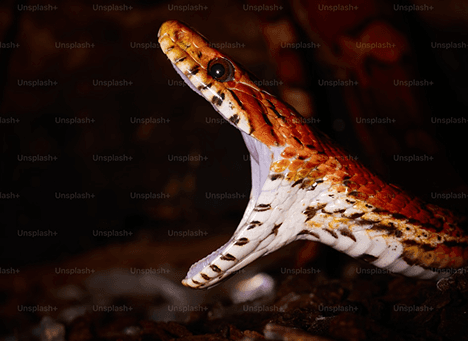
3.Species Identification
Working with herpetologists to identify the snake species responsible for bites where possible.
4.Regional Collaboration
Sharing methods and findings with partners through the African Snakebite Alliance.
Capacity Building
The survey strengthens regional expertise in snakebite research.
Activities include:
- Training field teams in survey methods
- Clinician training on snakebite management
- Mentoring early-career researchers
- Joint data analysis and publication
The planned Salima serpentarium and antivenom laboratory will extend this work in Malawi.